

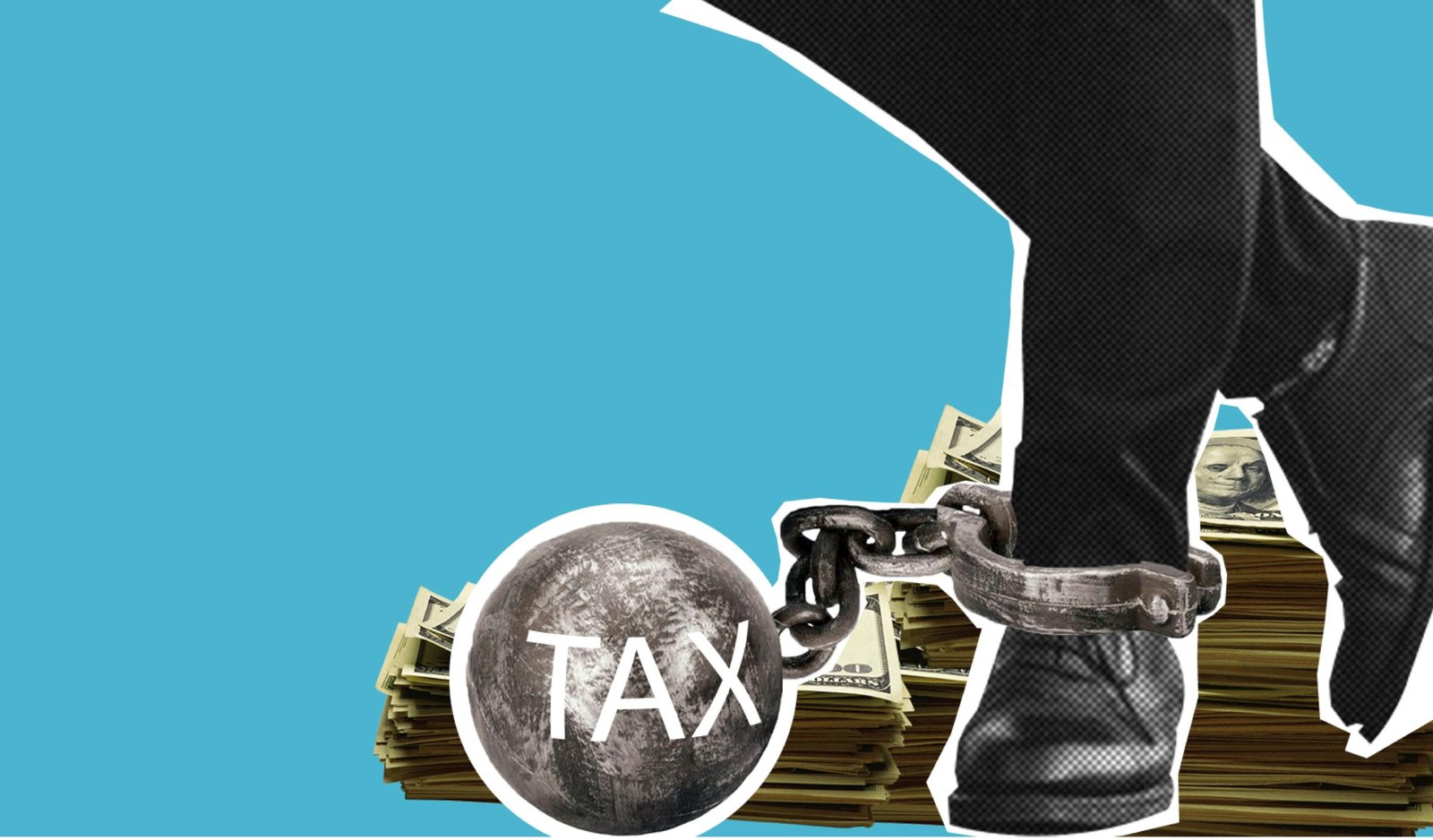
Kenya’s public debt has surged in recent years, raising alarm not only among economists but also among citizens who feel the pinch through reduced access to essential social services. As of 2024, the country’s debt stands at over KES 10 trillion, surpassing 70% of GDP. While borrowing is not inherently problematic, the growing concern lies in how this debt is managed and the ripple effect it has on service delivery in health, education, and social protection.
A significant portion of Kenya’s budget is now allocated to debt servicing. In the 2023/2024 financial year, nearly half of the government's revenue went towards repaying loans, leaving fewer resources for development and recurrent expenditure. This crowding-out effect directly undermines the government's ability to fund public services, especially in rural and marginalized areas.

In the health sector, the impact is particularly visible. County hospitals frequently experience stock-outs of essential medicines, delayed salaries for health workers, and stalled infrastructure projects. The universal health coverage (UHC) agenda critical for achieving equitable access faces funding gaps that limit its implementation. Citizens are forced to shoulder more out-of-pocket expenses, pushing vulnerable families further into poverty.
Similarly, in the education sector, high public debt has led to reduced allocations for infrastructure, teacher recruitment, and learning materials. This disproportionately affects public schools, particularly in arid and semi-arid counties where literacy rates remain low. Programs like school feeding and bursary support, which help keep children in school, have also suffered due to budget constraints.
Social protection programs have not been spared. Initiatives like the Inua Jamii cash transfer program, designed to support elderly and vulnerable citizens, face delays and coverage limitations. In a country where over 35% of the population lives below the poverty line, such interruptions can have serious consequences.
The broader economic implications are also stark. As the government borrows more to service existing debt, confidence among investors may erode, inflationary pressures may rise, and the cost of living may worsen. When fiscal space tightens, the burden is often shifted to citizens through increased taxation and reduced public investment.
However, there is a way forward. Fiscal discipline must be strengthened to ensure that borrowed funds are invested in projects that yield economic returns such as infrastructure, energy, and innovation hubs rather than non-productive recurrent spending. Transparency in debt contracting and utilization should be enhanced to rebuild public trust.
Additionally, Kenya must expand its domestic revenue base in a progressive manner focusing on tax compliance, reducing leakages, and tapping into the informal economy rather than overburdening already stretched taxpayers. Greater public-private partnerships (PPPs) can also ease fiscal pressure while improving service delivery.
The Ashwick Perspective
In conclusion, unchecked public debt poses a direct threat to the quality and accessibility of social services in Kenya. It is time for both policymakers and the public to demand a shift from debt-fueled consumption to strategic, sustainable investment. For Kenya to realize its development goals and safeguard the welfare of its citizens, prudent debt management is not optional it is essential.