


As we approach the end of the year, Kenya's economic, political, and social dynamics in 2024 paint a compelling picture of resilience, challenges, and aspirations for progress. This reflection seeks to summarize the defining moments of the year, exploring the Gen Z-led demonstrations, economic turbulence, and the shifting political landscape.
The year began with heightened public dissatisfaction over the cost of living, fueled by persistent inflation and economic inequality. Gen Z, characterized by their tech-savviness and heightened political consciousness, emerged as a formidable voice in championing societal change. Their demonstrations, often organized through social media platforms, reflected a new wave of activism that demanded government accountability, better job opportunities, and an equitable economic system. These protests demonstrated a generational shift in Kenya’s political engagement, as young people increasingly challenge traditional governance structures.
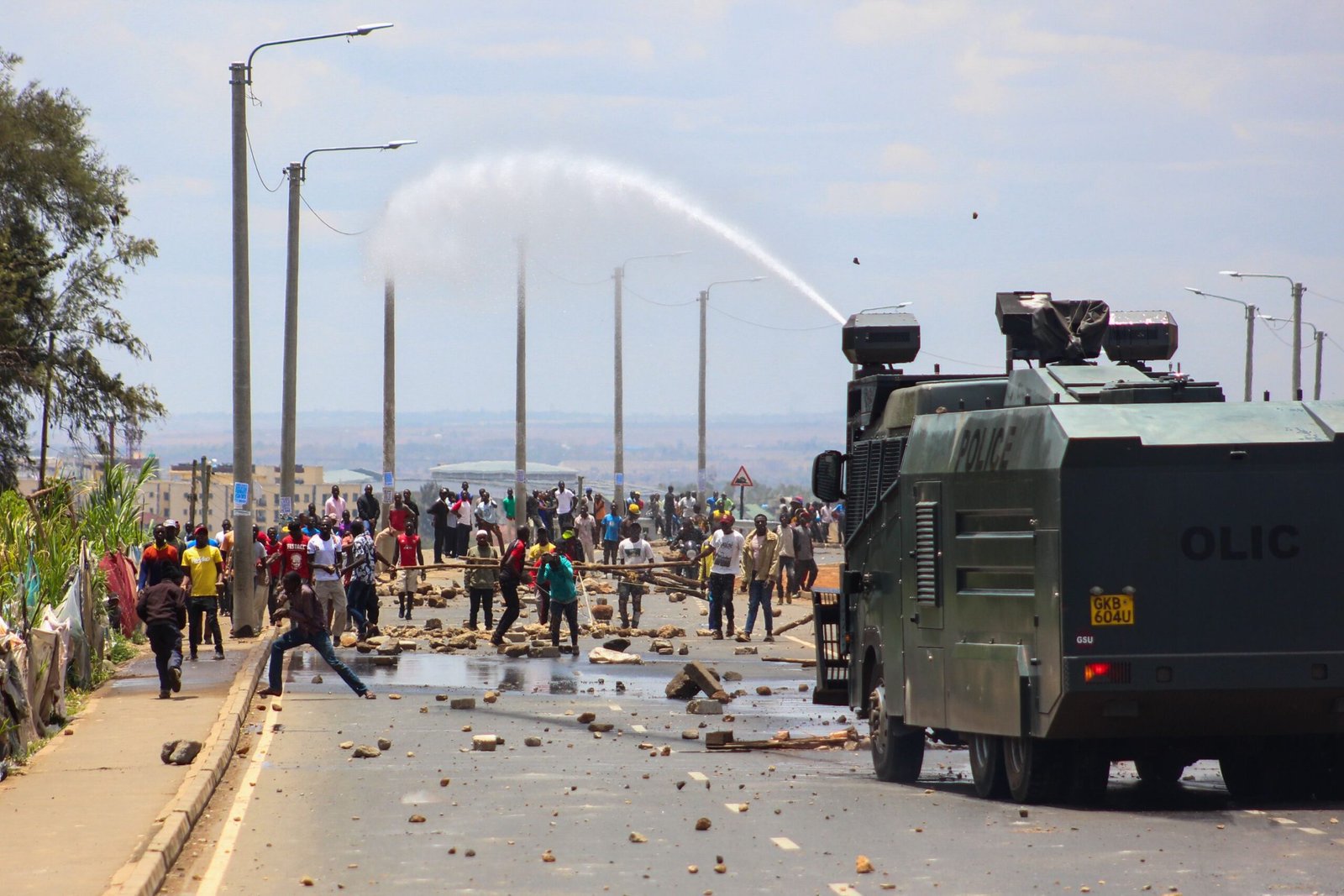
One of the most notable instances was the youth-led demonstrations against rising unemployment and inadequate reforms in the education-to-employment pipeline. These protests highlighted the frustration of a generation burdened by the mismatch between academic qualifications and market demands. Their actions prompted both national and international attention, leading to dialogues about youth participation in policy formulation. However, tensions occasionally escalated, resulting in confrontations with law enforcement. These incidents reignited debates about the balance between maintaining public order and safeguarding the right to peaceful protest.
Economically, Kenya faced a mixed bag of challenges and opportunities. The year was marked by extreme inconsistency in weather patterns, including severe floods in April that caused significant damage and loss of life, as well as persistent drought conditions in other parts of the country. These climate extremes exacerbated food insecurity and disrupted agricultural production, a backbone of the economy. At the same time, initiatives such as the government’s Hustler Fund and ongoing infrastructure projects provided a glimmer of hope. The private sector also showed resilience, with a surge in tech startups and innovation hubs positioning Kenya as a leader in the African digital economy.
Kenya’s political landscape in 2024 continued to be defined by realignments and power plays. President William Ruto’s administration faced mounting pressure to deliver on campaign promises amidst a backdrop of growing public scrutiny. Efforts to enhance the implementation of the Bottom-Up Economic Model gained traction but were met with criticism over delays and perceived inequities in resource allocation. Additionally, the impeachment of Deputy President Rigathi Gachagua marked a significant political upheaval, leading to a change of guard that reshaped the dynamics within the executive branch and created new alliances and rivalries in the political arena.
The African Continental Free Trade Area (AfCFTA) presented significant opportunities for Kenya to expand its regional trade footprint. Initiatives aimed at boosting exports and strengthening trade relations with neighboring countries showcased Kenya’s commitment to leveraging its strategic position within East Africa. However, domestic challenges such as taxation policies and the high cost of energy continued to deter investment and economic growth.
Amid these developments, the spirit of resilience among Kenyans shone through. From the informal sector workers hustling to make ends meet to the vibrant cultural expressions of art, music, and literature, the Kenyan populace demonstrated an unwavering commitment to building a better future. The rise of grassroots movements advocating for climate action, gender equity, and community-driven development further showcased the evolving civic consciousness.
The Ashwick Perspective
In conclusion, 2024 has been a year of contrasts for Kenya—one of significant trials yet immense potential. The active participation of Gen Z, the resilience of the economy amidst adversity, and the vibrant political discourse underline a nation determined to forge ahead. As Kenya closes this chapter, the lessons learned and challenges faced lay a strong foundation for a more inclusive and prosperous future.