

Drone technology has emerged as a transformative tool in various sectors, including healthcare and
aviation. In Kenya, this technology holds significant potential for addressing logistical challenges in
delivering medical supplies to remote areas, responding to emergencies, and enhancing operational
efficiencies in the aviation sector. However, the legal landscape surrounding drone technology presents
complex questions that must be addressed to fully realize its benefits while safeguarding public safety and
privacy.
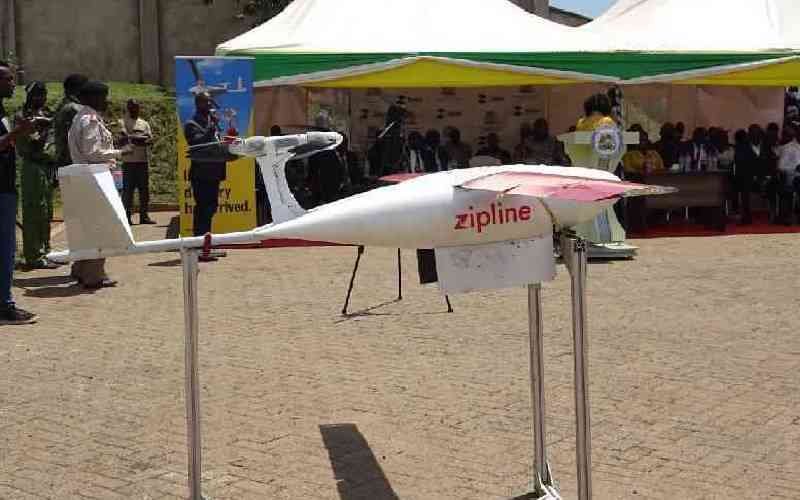
Drones have revolutionized healthcare logistics by enabling the rapid delivery of life-saving medical
supplies, such as blood, vaccines, and essential medications, to hard-to-reach areas. Companies like
Zipline have demonstrated this potential in Rwanda and Ghana, offering a model that Kenya could
replicate.
In aviation, drones are increasingly being used for surveillance, inspections, and air traffic management.
Their ability to reduce operational costs while improving safety has made them a valuable tool in the
sector.
In Kenya, the operation of drones is governed by the Civil Aviation (Unmanned Aircraft Systems)
Regulations, 2020, enacted by the Kenya Civil Aviation Authority (KCAA). These regulations address critical
aspects such as registration, licensing, airspace restrictions, and operational guidelines. While they
represent a significant step forward, there are still gaps and challenges that need to be addressed:
All drone operators in Kenya are required to register their devices and obtain licenses from the KCAA. This
process ensures accountability and adherence to safety standards. However, the cost of licensing and
registration has been criticized as prohibitive, potentially limiting the adoption of drones for humanitarian
purposes.
Drones must operate within designated airspaces to avoid conflicts with manned aircraft. The integration
of drones into Kenya's airspace management systems poses a challenge, requiring robust technological
solutions and regulatory frameworks.
Determining liability in the event of drone accidents or malfunctions is a complex issue. Operators must
navigate questions of accountability, especially when drones are used for critical medical deliveries or
emergency response.
The potential misuse of drones for illegal activities, such as smuggling or terrorism, necessitates stringent
security protocols. Regulators must balance the promotion of drone technology with measures to mitigate
these risks.
Kenya’s push toward universal healthcare (UHC) and its growing emphasis on innovation provide a fertile
ground for integrating drone technology into the healthcare system. For instance, drones could play a
pivotal role in supporting the government's Afya Nyumbani program, which focuses on community health
services.
In the aviation sector, Nairobi's Jomo Kenyatta International Airport is a regional hub, making Kenya a
strategic player in the adoption of drone technology for airport operations and air traffic management.
Collaborations between the government and private sector players, such as logistics and tech companies,
could further enhance this potential.
The integration of drone technology into Kenya’s healthcare and aviation sectors presents an
unprecedented opportunity to improve service delivery and operational efficiency. However, realizing this
potential requires a robust legal and regulatory framework that addresses safety, privacy, and security
concerns. As an advocate of the High Court, I believe legal professionals have a pivotal role to play in
shaping these frameworks, ensuring that technological innovation is both transformative and responsible.
Kenya has the opportunity to lead the way in leveraging drone technology for the greater good, setting a
precedent for other nations in the region
The Ashwick Perspective
As Kenya continues to explore solutions for improving healthcare access, drone technology stands out as a compelling option.
It may not replace traditional delivery systems entirely, but it can complement them in powerful ways, especially where they fall short.
In the end, the goal is simple: ensuring that no matter where someone lives, they can receive the care they need, when they need it.
And sometimes, the fastest way to get there is through the sky.